
Study abroad
Compare destinations the way a good counsellor would.
Every country has its own admissions logic. Use this guide to see how they differ — then let's talk about which fits the student.




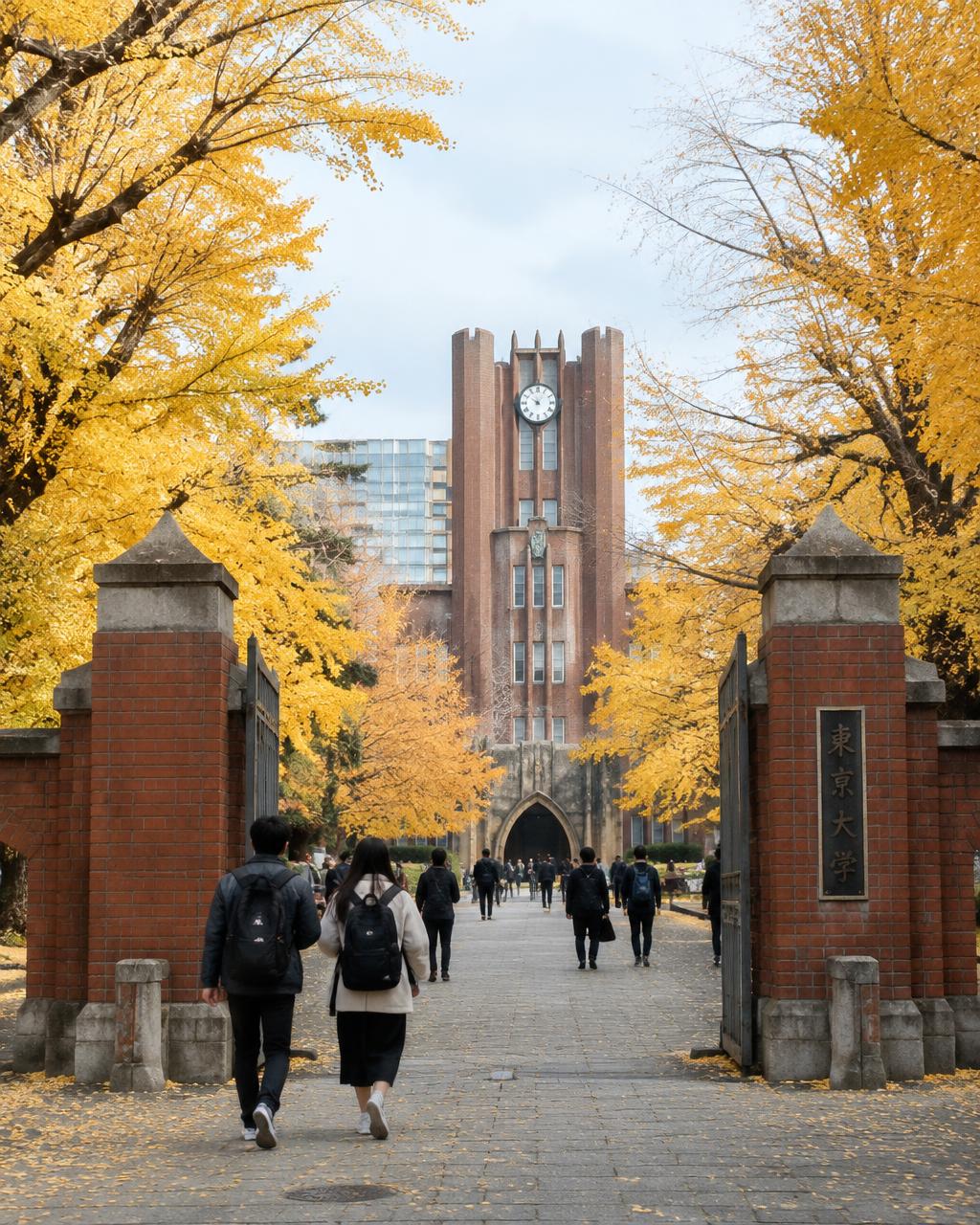



Side by side
The comparison table.
Fees, visas and work rules change often. We review current policies with each family rather than publishing figures that may be out of date.
| Country | India | United Kingdom | United States | Canada | Australia | Germany | Europe | Singapore | Japan | South Korea | Thailand | New Zealand |
|---|---|---|---|---|---|---|---|---|---|---|---|---|
| Education style | Rigorous institutions in engineering, sciences, law, design and management. | Depth in a chosen subject from day one; world-renowned research universities. | Flexible liberal-arts foundations, research access and campus life. | Respected public universities and co-op programmes. | Strong universities in health, business, engineering and the environment. | Engineering, sciences and research at public universities. | Specialised universities in business, design and technology. | Technology, business and design with strong Asian industry links. | Engineering, robotics, sciences and business with deep industry links. | Engineering, technology, business and media. | Business, hospitality, medicine and international studies. | Agriculture, environment, engineering, health and business. |
| Degree structure | Typically 3–4 year undergraduate degrees; integrated programmes in some fields. | Usually 3-year bachelor's (4 in Scotland); 1-year master's. | 4-year bachelor's with a major declared after exploring. | Usually 4-year bachelor's; co-op options in many programmes. | Typically 3-year bachelor's; honours year optional. | Usually 3-year bachelor's; many English-taught master's programmes. | Usually 3-year bachelor's under the Bologna system. | Usually 3–4 year bachelor's. | Usually 4-year bachelor's; 2-year master's. | Usually 4-year bachelor's. | Usually 4-year bachelor's in international programmes. | Typically 3-year bachelor's; honours year optional. |
| Who it suits | Students who want a deliberate Indian route, with family close by. | Students already sure of what they want to study. | Curious students who want to explore before choosing a major. | Students with strong grades who value predictability. | Students wanting clear entry routes and flexible intakes. | Academically strong, independent students open to learning German. | Students seeking value and international exposure. | High achievers wanting global quality close to home. | Disciplined students drawn to technology and open to a new language and culture. | Ambitious students interested in technology, design or Asian markets. | Students seeking an affordable international experience near India. | Students who value safety, nature and smaller class sizes. |
| Admissions approach | Largely entrance-exam and merit-led; some universities assess holistically. | Centralised applications with a personal statement focused on the subject. | Holistic — academics, essays, activities, recommendations and fit. | Largely academics-led, with supplementary profiles for some programmes. | Criteria-based, usually on board results and prerequisites. | Qualification-based; some routes need a foundation year. | Varies by country — from grade-based to holistic. | Highly selective; academics plus interviews for some programmes. | Document- and exam-based; English-taught programmes often add essays or interviews. | Application- and document-based, sometimes with interviews. | Usually grade-based, with English requirements and sometimes interviews. | Criteria-based, usually on board results and English scores. |
| Cost considerations | Usually the most affordable path; varies widely between public and private institutions. | Fewer years can offset higher annual fees — compare total cost, not yearly cost. | Often the highest sticker price; need- and merit-based aid can change the picture. | Moderate compared with the US; varies by province and programme. | Moderate to high; scholarships available at many universities. | Low or no tuition at public universities; living costs still apply. | Often significantly lower; varies widely by country. | Moderate to high; tuition grants may carry service conditions. | Moderate tuition compared with the US or UK; scholarships exist at many universities. | Moderate tuition; government and university scholarships are available. | Generally lower than Western destinations. | Moderate; often lower than Australia, the UK or US. |
| Career considerations | Strong domestic placements and a clear route to postgraduate study abroad later. | Post-study work options exist; policies change, so we review them each cycle. | Strong internship culture; work options depend on current visa policy. | Co-op and post-study pathways — rules evolve, so we check each year. | Post-study work options exist; we review current policy with each family. | Strong industry links, especially in engineering and technology. | Access to a broad European job market, subject to work rules. | A gateway to the Asia-Pacific job market. | Japanese language skills widen work options considerably. | Korean language ability matters for long-term work options. | A base for careers across South-East Asia. | Post-study work options exist; we review current policy with each family. |
| Application strategy | Entrance preparation planned alongside a shortlist of holistic-admission universities. | Subject commitment shown through reading, projects and a focused statement. | A coherent multi-year profile and distinctive essays matter most. | Grades first, supported by targeted supplementary applications. | Meet prerequisites early and time the intake well. | Check eligibility early and plan language preparation. | Country-by-country planning around deadlines and requirements. | Excellent academics and a well-prepared interview. | Pick English-taught programmes carefully and begin Japanese early. | A strong academic record and a clear statement of purpose. | Choose recognised international programmes and plan the budget clearly. | Meet entry criteria early and choose the right city and intake. |

Begin
The best destination is the one that fits the student. Let's find it together.
Tell us where the student is today. We'll tell you honestly what the next step looks like — whether or not that involves working with us.